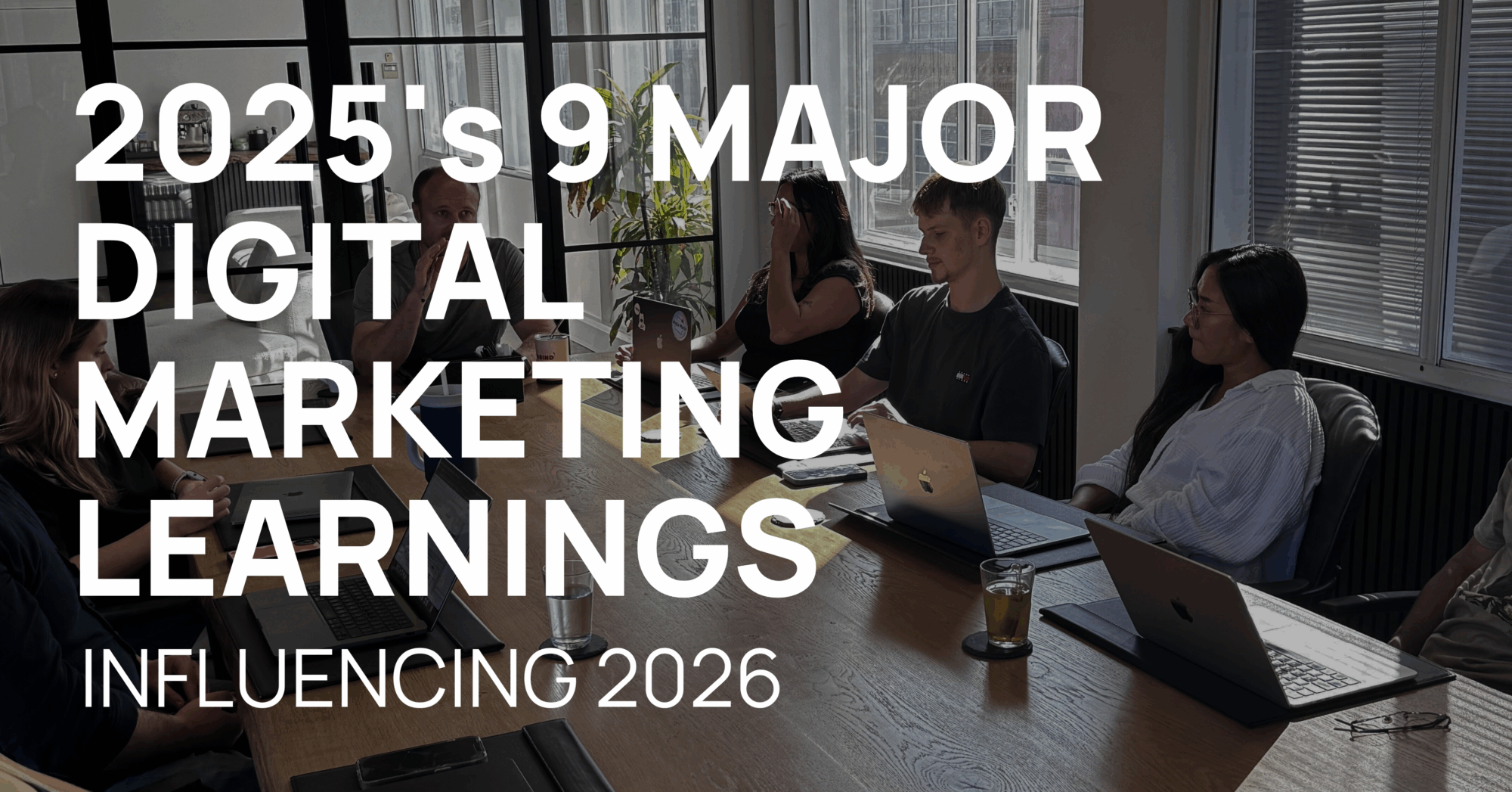
The digital marketing landscape underwent seismic shifts in 2025. From the rise of AI-powered search to the explosion of social discovery engines, brands that adapted thrived while others struggled to keep pace.
At CEEK, we’ve analysed real performance data across our entire client portfolio to identify the signals that actually drove growth this year. This isn’t speculation about what might happen, it’s a breakdown of what already worked in 2025 and what you need to build for 2026.
Here are the nine defining learnings that shaped digital marketing in 2025.
1. Creative Diversification Is Now The Strongest Lever For Paid Media Performance
The paid media playbook flipped in 2025. Meta’s Andromeda rollout and Google’s algorithm updates placed unprecedented emphasis on creative quality, diversity, and refresh cadence.
Our campaigns proved that varied content suites (spanning multiple formats, hooks, and audience mindsets) now drive more revenue than any targeting strategy ever could.
Where audience segmentation once carried the weight, creative has completely overtaken it, delivering up to 50% of incremental sales compared to just 11% from traditional audience segmentation.
Brands that invested in volume, variation, and narrative consistently outperformed those relying on targeting alone.
2. AI Has Changed How People Search
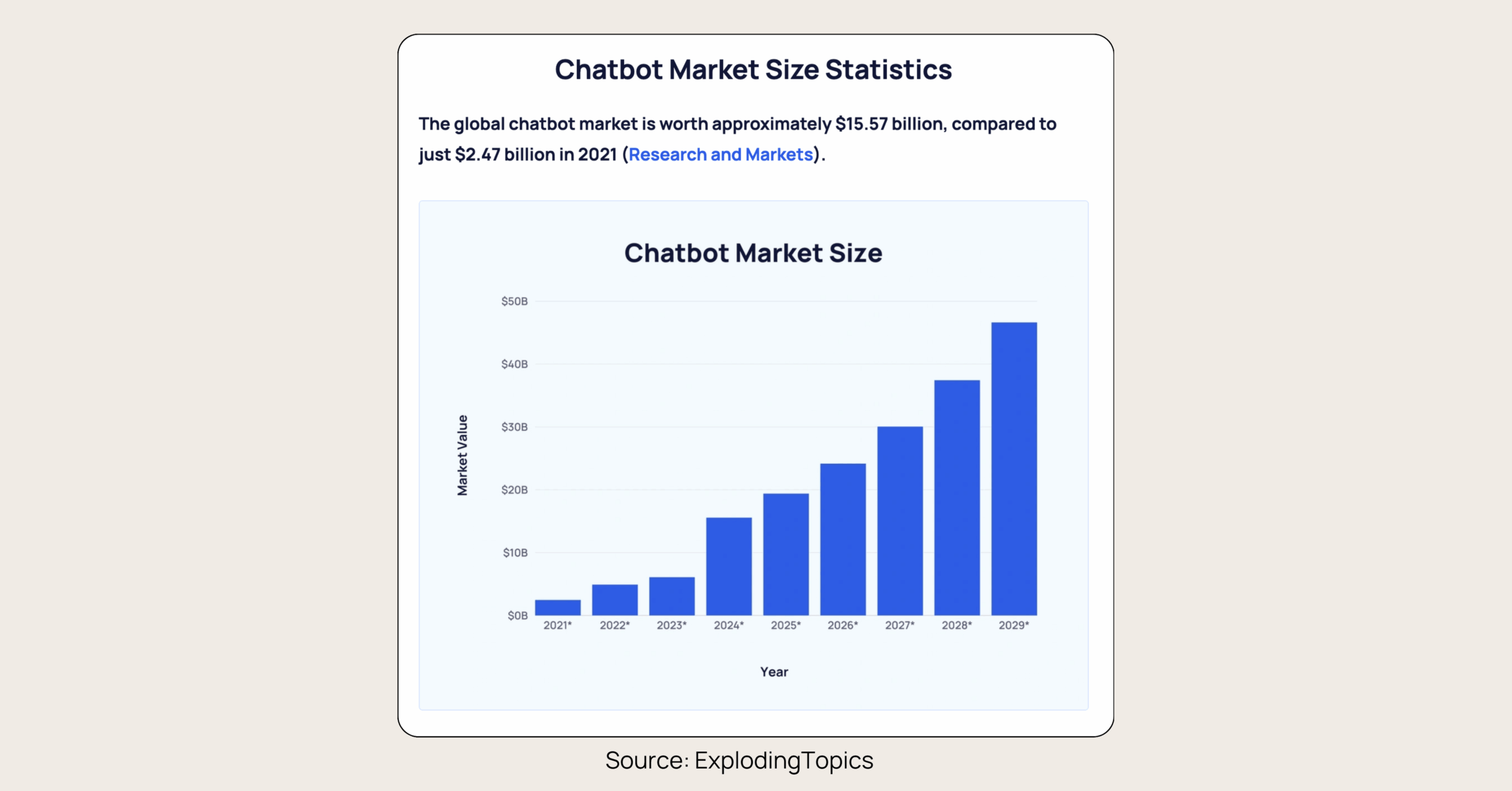
Search behaviour fundamentally shifted in 2025, driven by conversational AI tools. Long-tail, question-based queries surged as people began treating search engines like chatbots. This directly benefited automated campaign systems like Performance Max, Demand Gen, and Dynamic Search Ads.
Across CEEK clients (from pet food brands to real estate companies) ChatGPT referral traffic increased by over 1,866% year-over-year, with users spending more than a minute engaging with content. Google’s own data showed a 9.4% rise in long-tail searches and an 18% increase in “what is…” queries.
Our response? A 20% increase in algorithm-led campaign spend, delivering an average 61% revenue uplift and 30% higher ROAS.
3. Brand Authority Is The Foundational SEO Strategy
AI search changed everything about organic visibility in 2025. With generative responses and AI-powered results dominating search experiences, one truth emerged: brands with authority, recognition, and trust were prioritised above those relying solely on technical SEO.
CEEK’s SEO team evolved into our Search team, formalising our AI Visibility service: a holistic combination of traditional SEO, entity optimisation, and brand-led content.
We realised that SEO is no longer just about ranking for keywords; it’s about ensuring your brand is the most credible, consistent, and contextually relevant answer across all search ecosystems.
4. Website Migrations Done Right Unlock Unseen Levels Of Growth
One of 2025’s standout success stories was NOW Aluminium’s full site migration, executed by CEEK in late 2024.
The results were transformative: the brand secured the #1 position for industry-defining keywords including “bifold doors” and “aluminium bifold doors,” while organic clicks, impressions, and revenue reached all-time highs.
This proved that fundamental upgrades like migrations, often considered high-risk, are a fantastic growth opportunity when executed with precision.
The safe attitude of sticking with what you have may be costing both your current and future revenue.
5. Social Search Has Become The Most Powerful Driver Of Organic Visibility
In 2025, TikTok, Instagram, and YouTube evolved from entertainment platforms into full discovery engines. For Gen Z especially, social platforms replaced Google as the first point of search.
Our client data showed that search-led discovery accounted for up to 30% of follower growth on TikTok and Instagram, with these users proving more engaged and more likely to convert than those acquired through paid reach.
Search-optimised content (using keyword-driven captions, alt text, hashtags, and trend alignment) consistently delivered 2-3x stronger performance.
To capitalise on this shift, CEEK developed the OmniScript™ framework to map brand narratives into platform-specific search journeys.
6. Omnichannel Integration Became Non-Negotiable
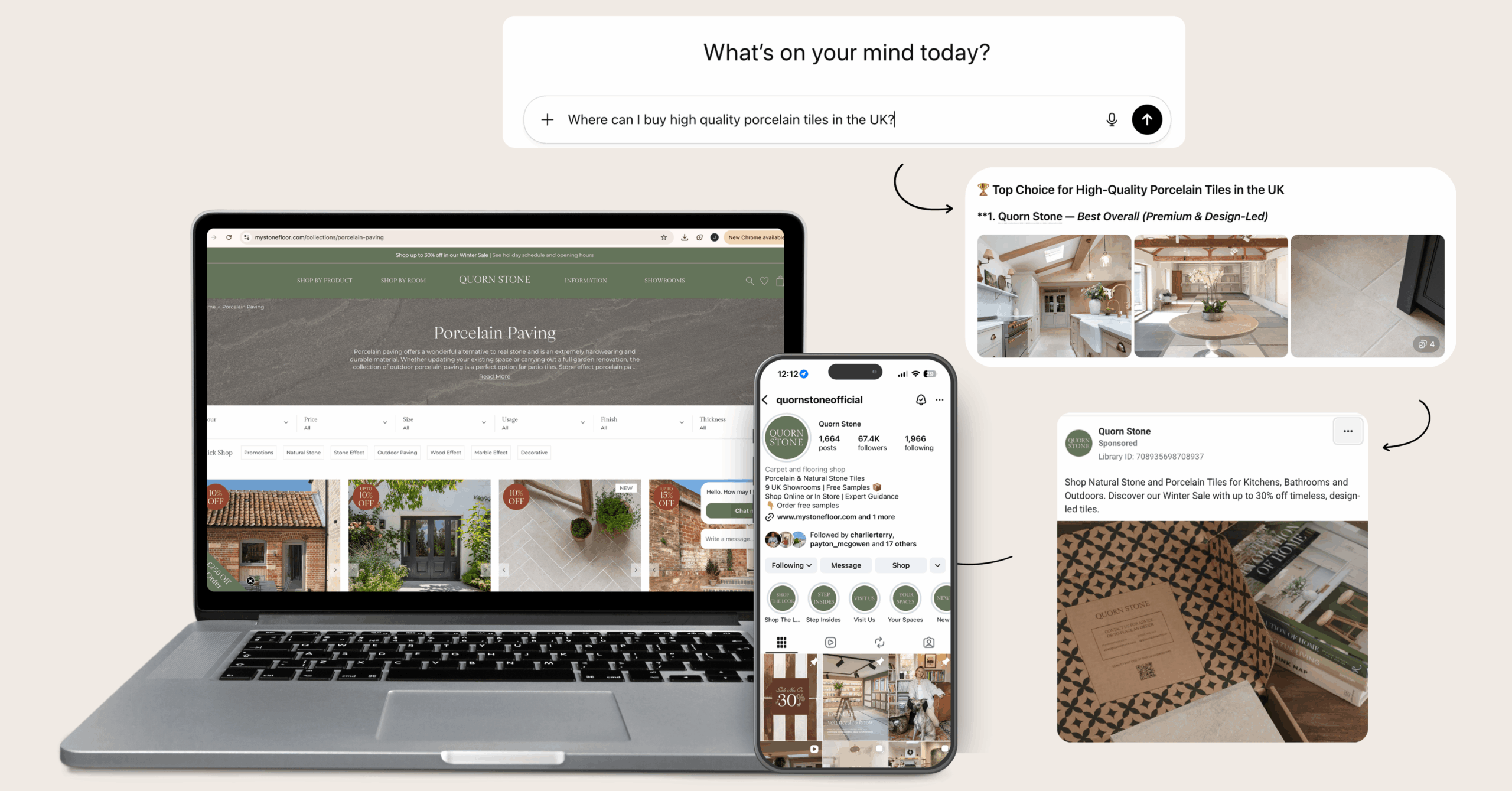
The interconnected nature of digital ecosystems reached a tipping point in 2025. With long-tail queries, LLM-powered search, and multi-platform discovery journeys becoming the norm, siloed channel strategies simply couldn’t compete.
CEEK’s omnichannel approach (integrating paid media, organic search, social media, email marketing, influencer, and marketing strategy) gave us a meaningful head start.
Brands operating with fully integrated strategies benefited from clearer attribution, higher retention, and stronger brand equity.
7. Strategic Partnerships Became Content and Revenue Accelerators
CEEK’s partnership-led strategy delivered major wins in 2025. Rather than simply driving reach, our collaborations created lasting content ecosystems and built communities while delivering strong commercial outcomes.
The Papa Salt Summer Influencer Campaign positioned the brand as a premium summer lifestyle spirit through social-first storytelling with aligned creators. Results? More than 4.2 million impressions and over 3.6 million people reached in under three months.
Other highlights included the Padel Social Club collaboration with Tom Holland’s brand BERO, generating millions of impressions across social and earned media, and the successful partnership connecting Milkis, Mogu Mogu, and Skin Cupid; bridging beverage brands with beauty-savvy audiences.
These partnerships worked because they created authentic, story-led content ecosystems that continued performing long after campaigns ended.
8. Community Became The Core Focus Of Platform Updates And High-Performing Content
Platform updates in 2025 made community a major focus. TikTok introduced Bulletin Boards for exclusive creator-follower content, while Meta repositioned DMs closer to core navigation, signalling that conversation, not scrolling, is now the primary behaviour.
These changes removed the curtain between brands and consumers. Audiences are no longer passive; they’re actively shaping and co-creating brands.
Posts and campaigns encouraging user participation, co-creation, and dialogue consistently outperformed product-focused content. Brands building micro-communities on Instagram and TikTok saw engagement rates up to 3x higher.

9. Ownable, Repeatable Content Became The Dominant Growth Lever Across Social Platforms
The strongest-performing brands in 2025 moved away from isolated posts and invested in repeatable content formats. With non-chronological algorithms, brands need to maximise opportunities to re-deliver content to audiences who’ve already shown interest.
Client partner Milkis proved this with Mikiss and Tell, an episodic dating show in partnership with Korean entertainment channel Hallyucon.
The series-led content allowed Milkis to re-enter the same audience pools with each release, reinforcing algorithmic trust and strengthening audience connection.
Thematic content emerged as one of the most effective expressions of this approach, enabling brands to concentrate effort where they perform best while improving algorithmic redelivery and brand memorability.
Summary: What This Means for 2026
The trends that shaped 2025 aren’t slowing down; they’re accelerating. Brands that thrive in 2026 will be those that:
- Invest in creative diversity and refresh cadence
- Embrace AI-driven search behaviour and automated campaigns
- Build brand authority as their core SEO strategy
- Optimise for social search discovery
- Operate with true omnichannel integration
- Leverage partnerships for content and community
- Prioritise conversation over broadcast
- Create ownable, repeatable content ecosystems
This isn’t a prediction. It’s a roadmap built on what already worked.
Ready to adapt your strategy for 2026? The brands that started building these capabilities in 2025 are already ahead. The question is: will you catch up, or fall further behind?
Get in touch with CEEK Marketing to ensure your digital marketing strategy is ready for 2026.